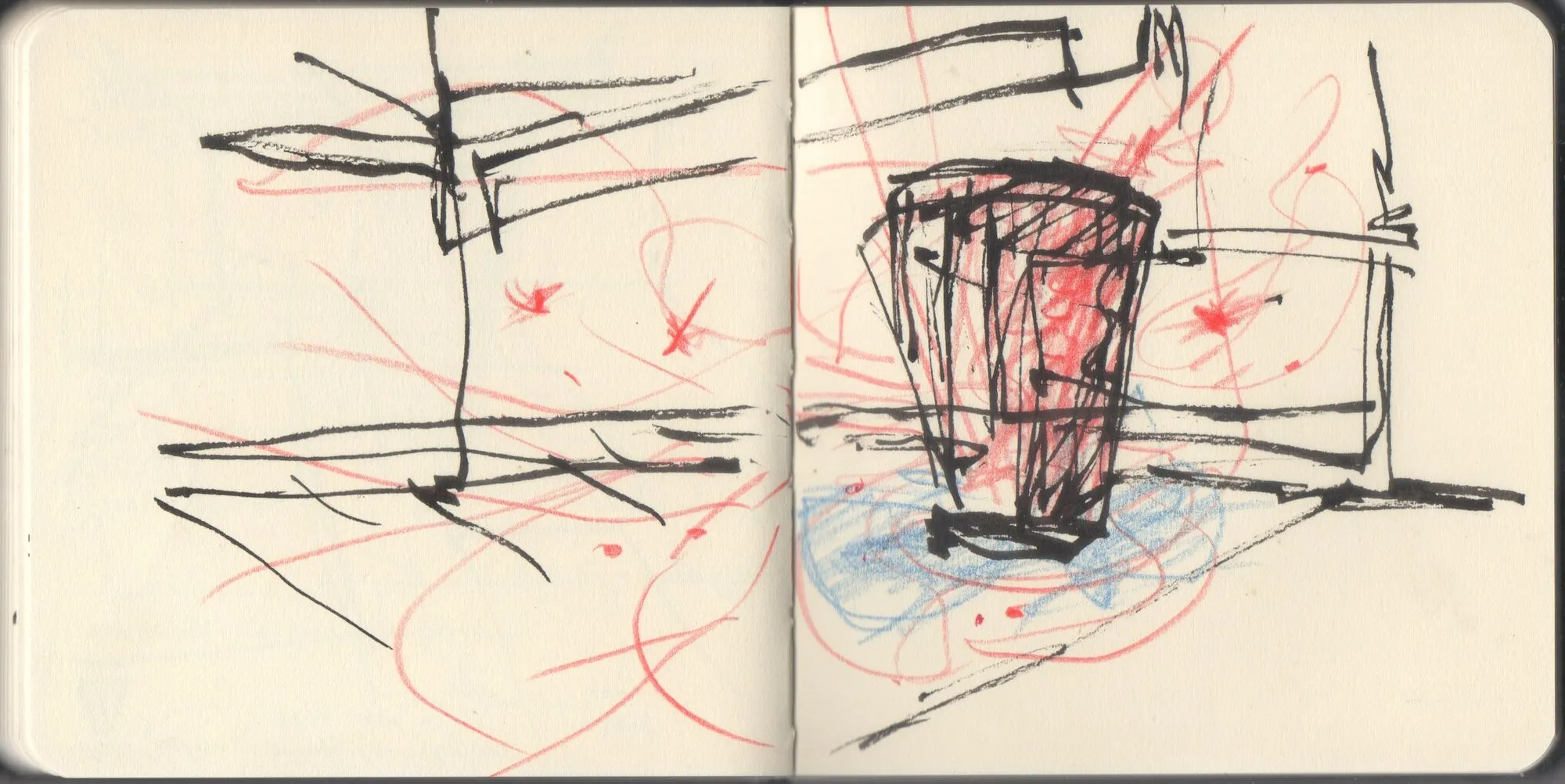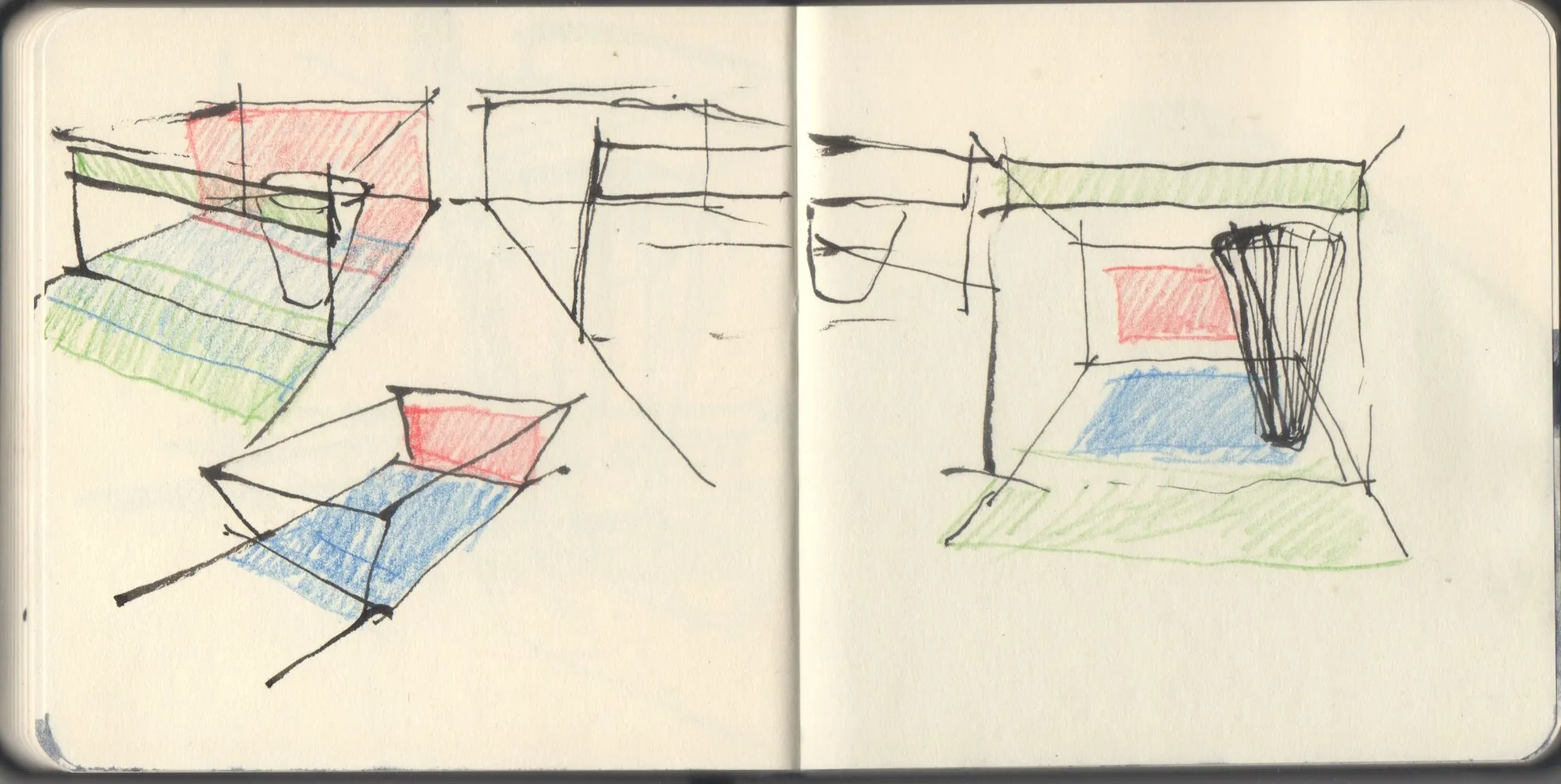
Ring of Fire
- Title Ring of Fire – Solar Yang & Lunar Weerasethakul
- By Apichatpong Weerasethakul and Haegue Yang
- In collaboration with DuckUnit, Akritchalerm Kalayanamitr and Koichi Shimizu
- Year 2025
- Location “Matabe” house, Honmura district, Benesse Art Site Naoshima, Japan
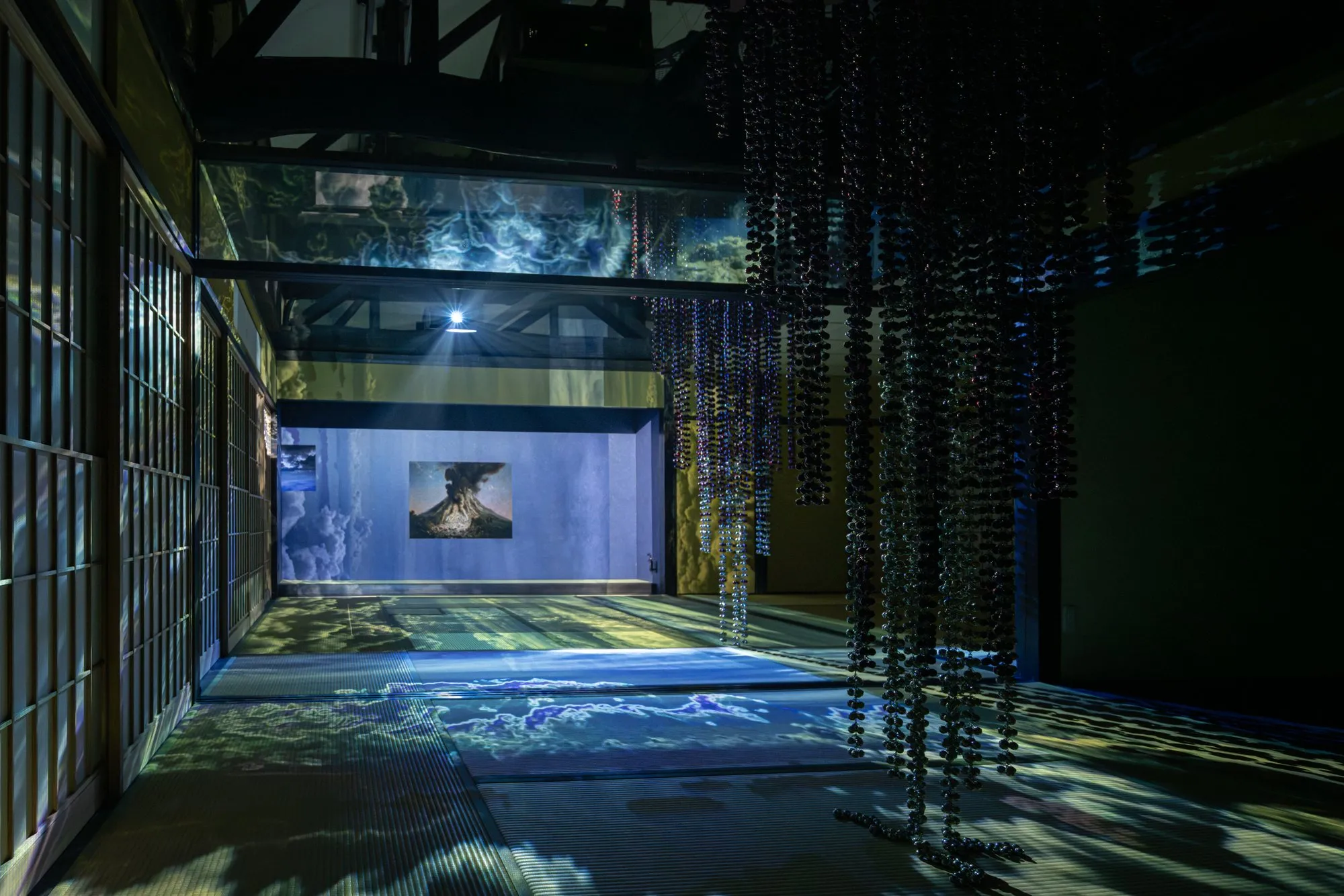
A new site-specific commission for the local house Matabe in the Honmura district of Naoshima, open to the public from June 21, 2025.
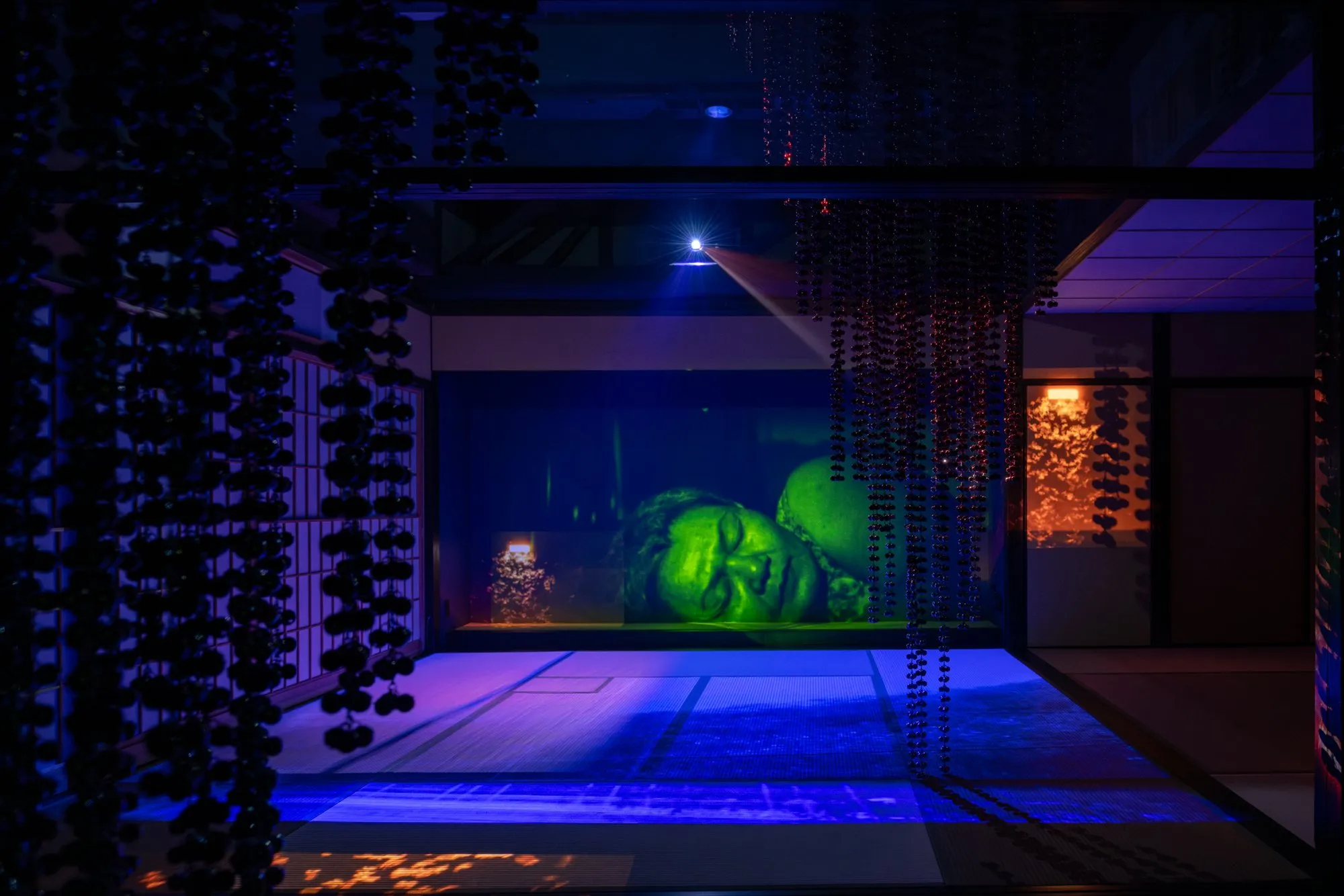
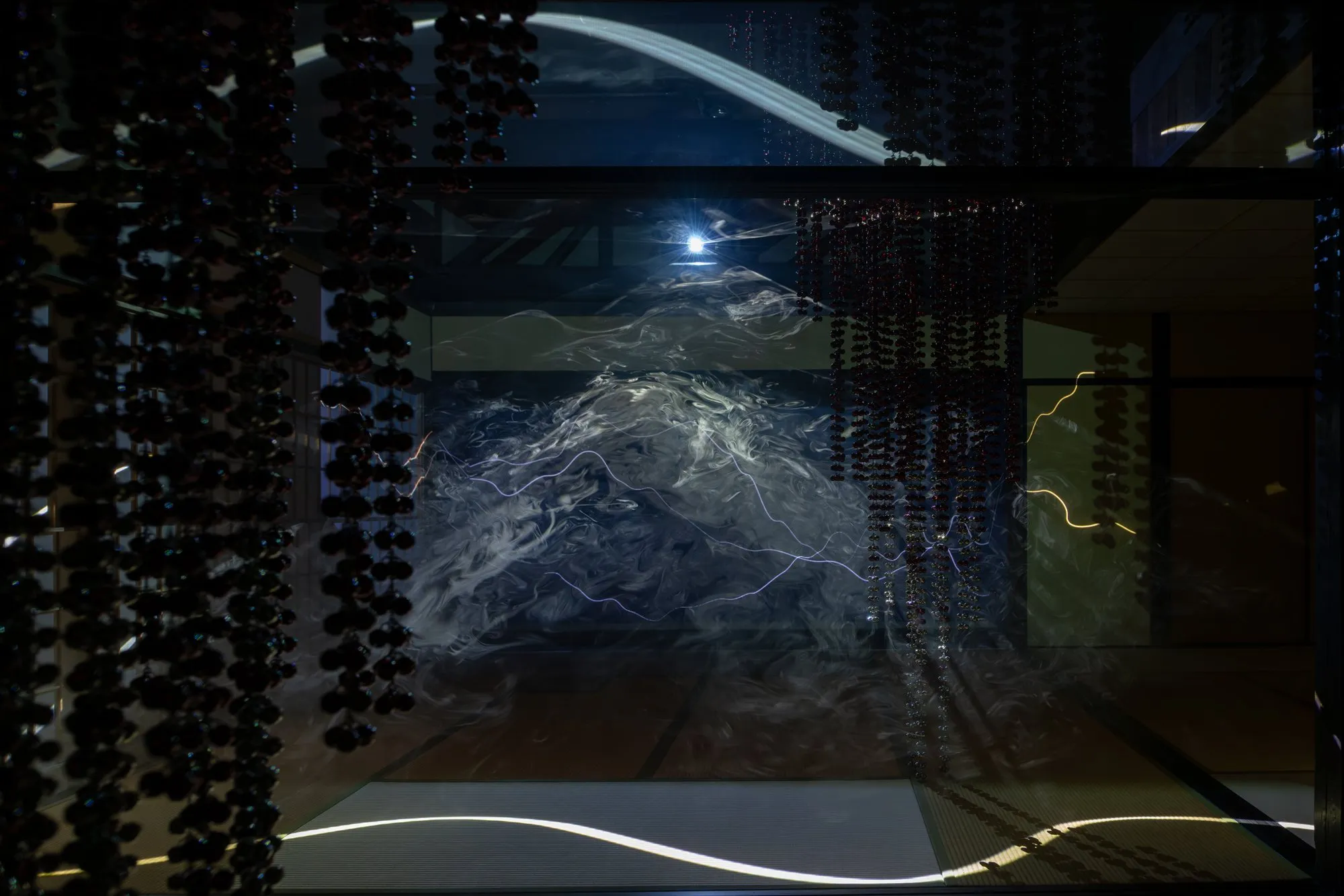
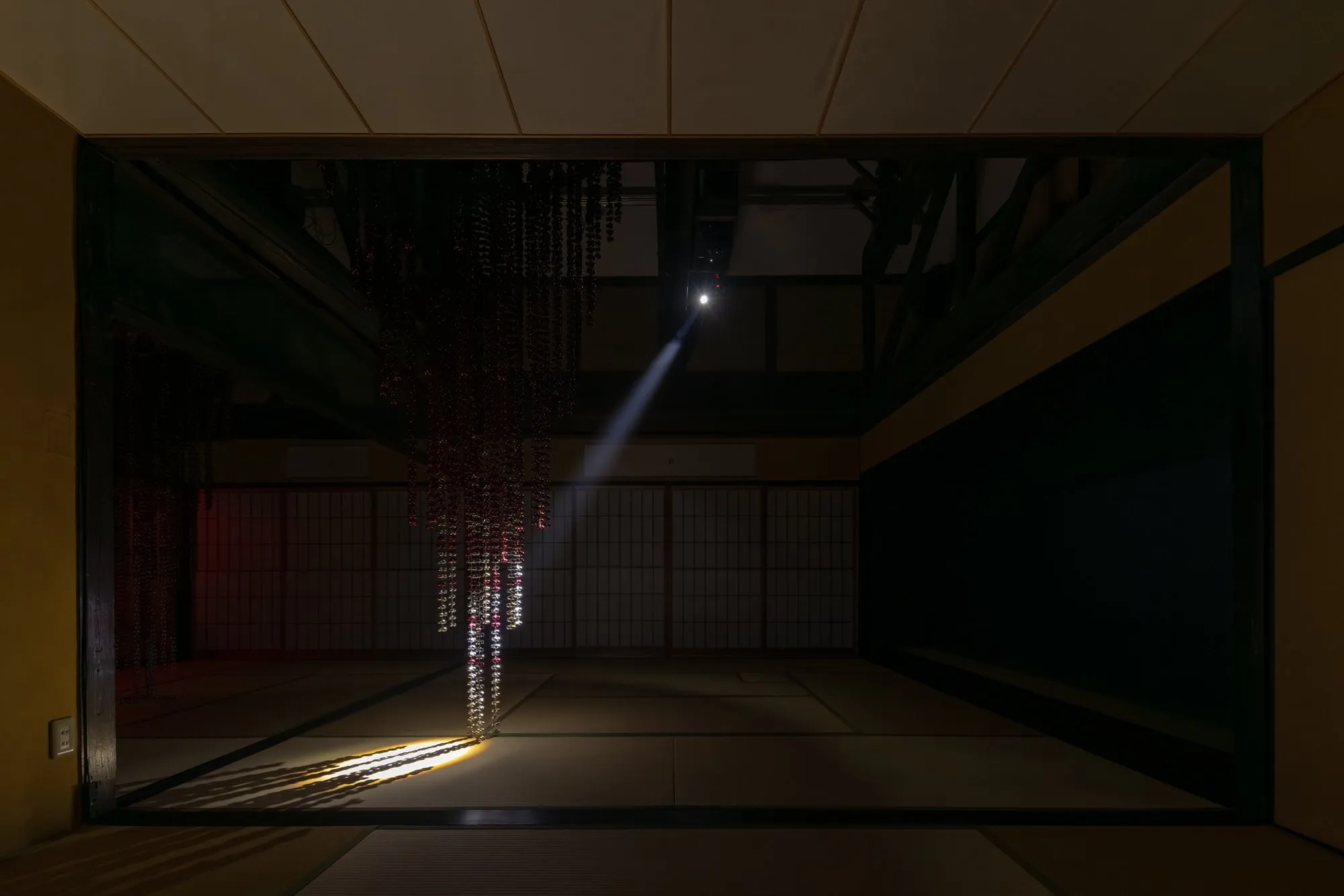
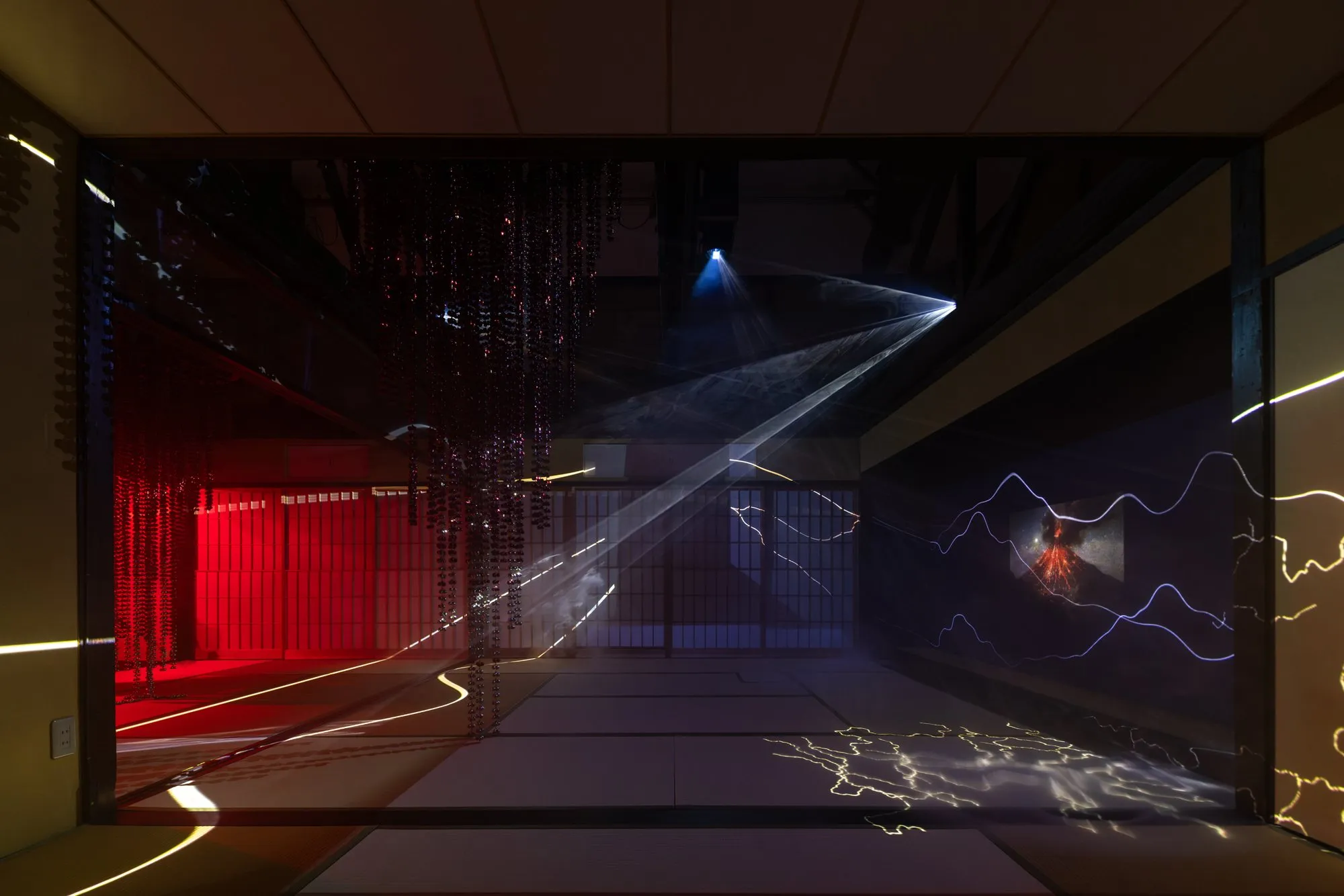
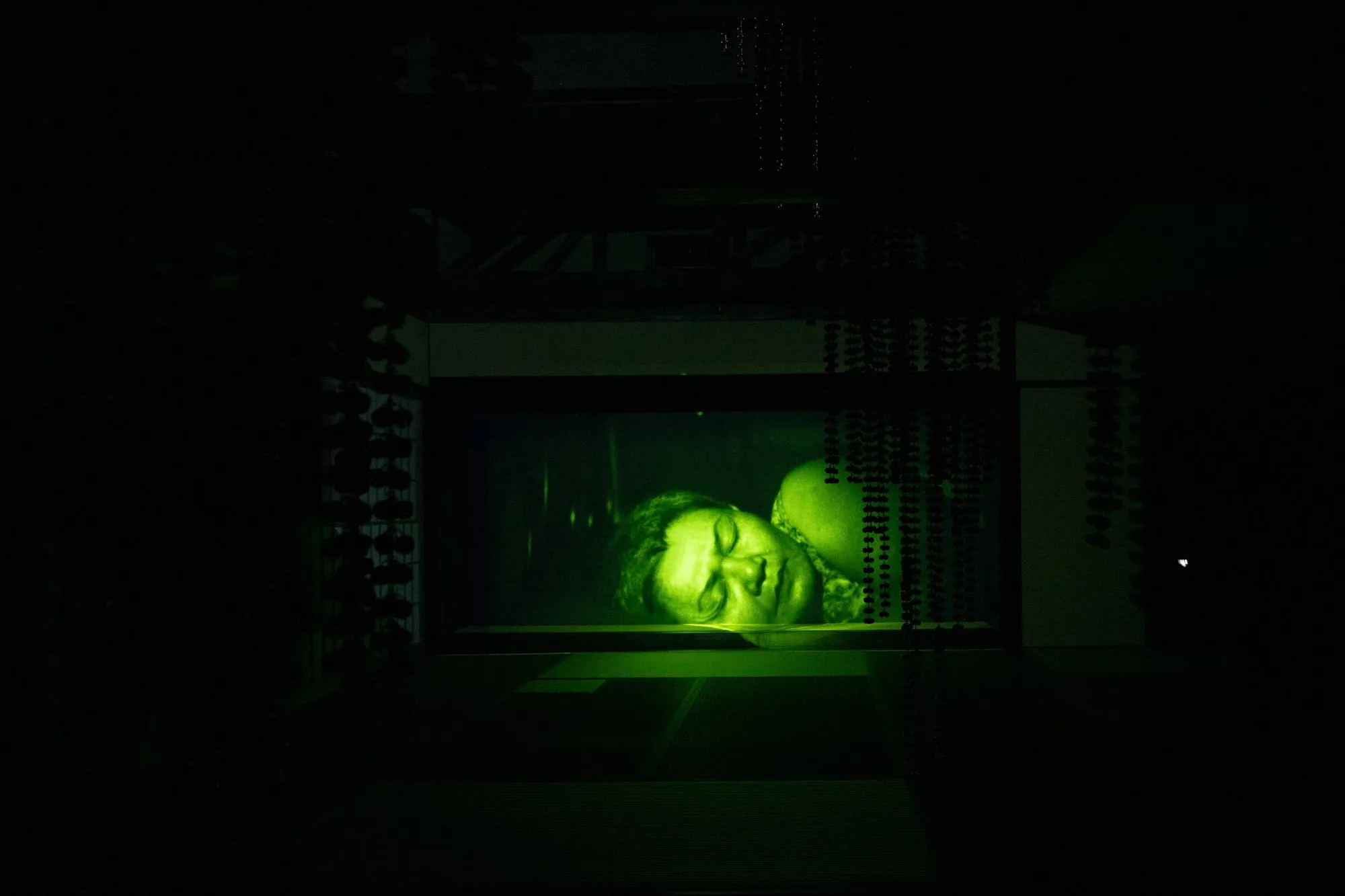
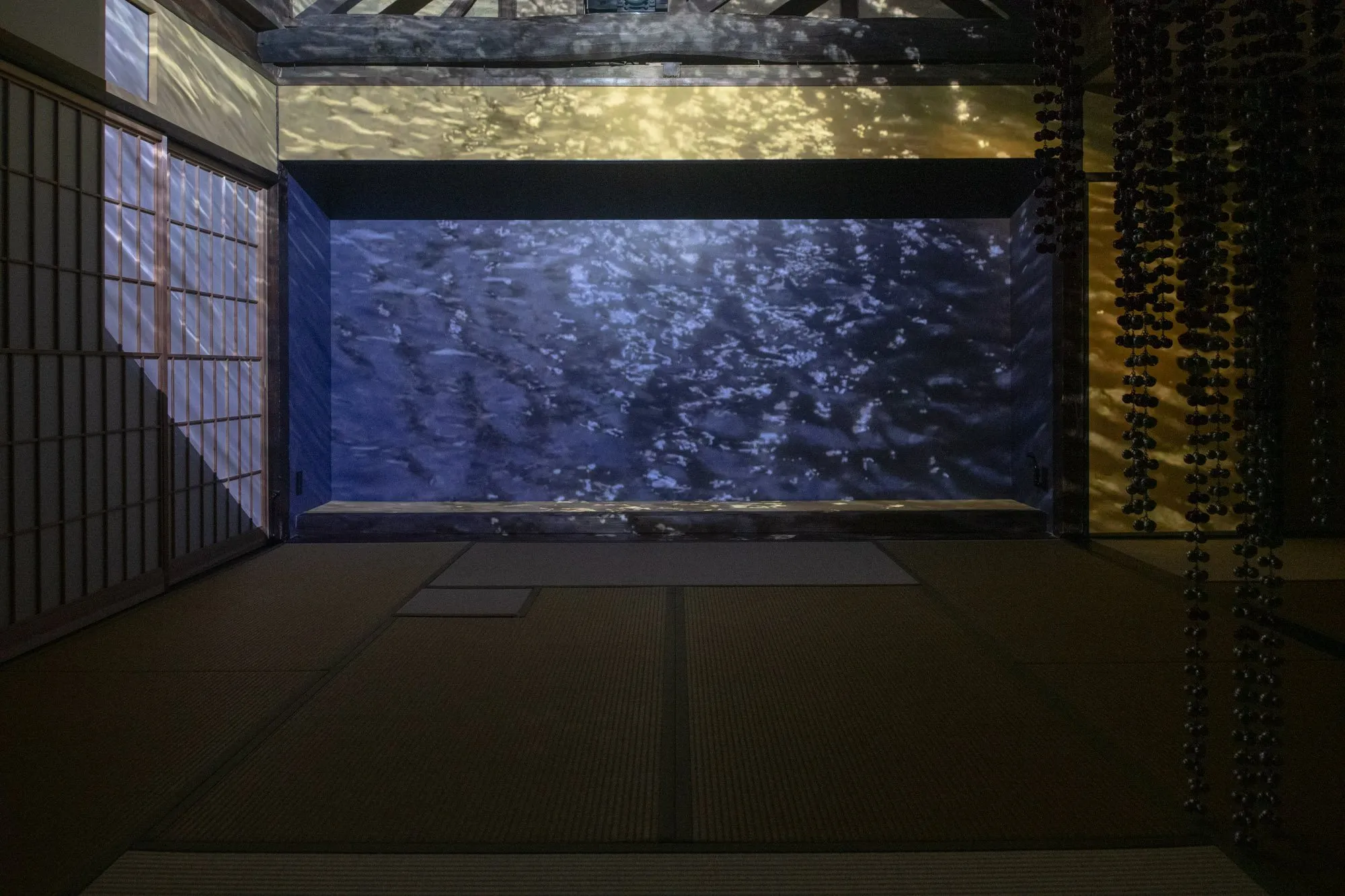
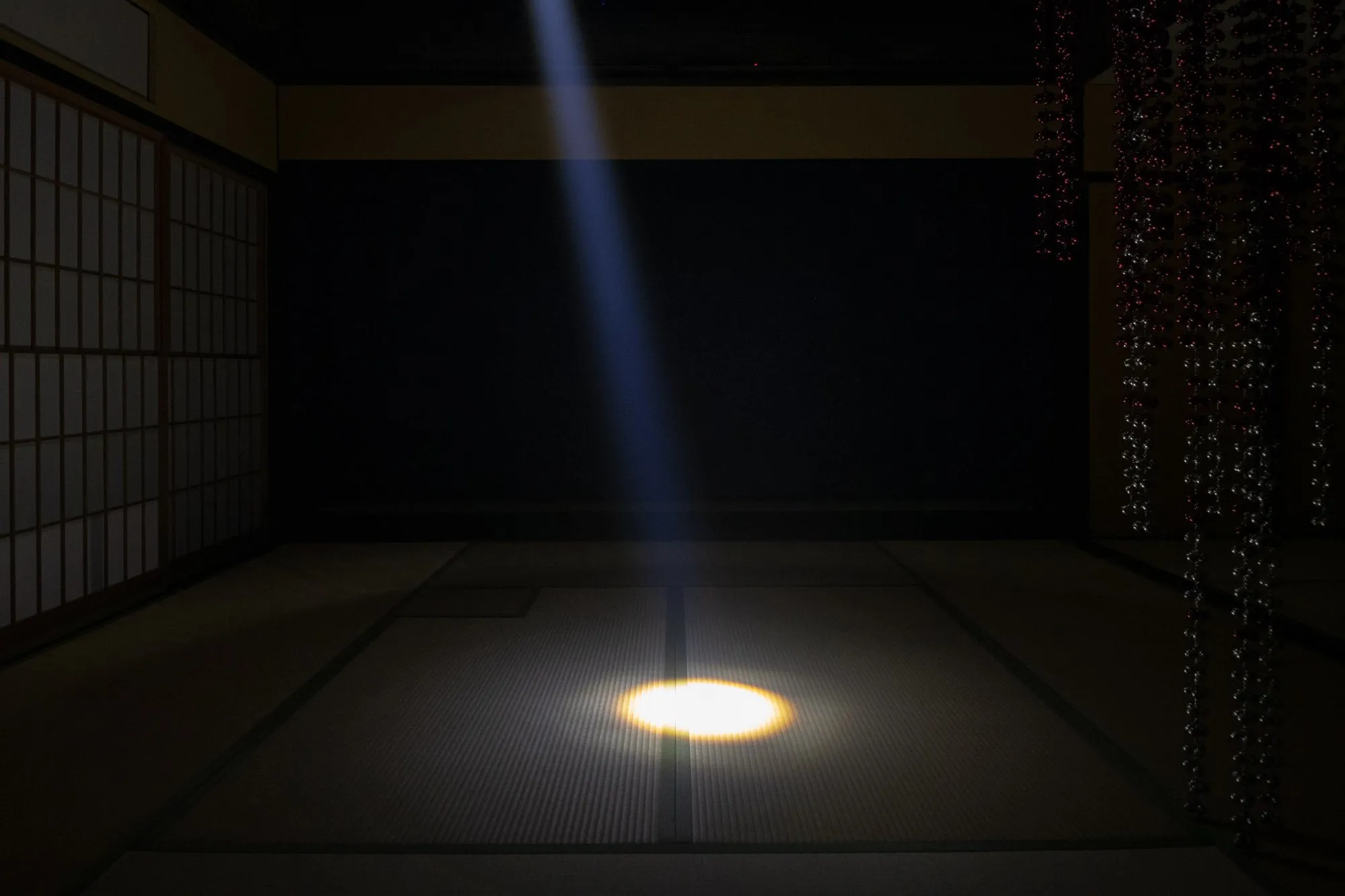
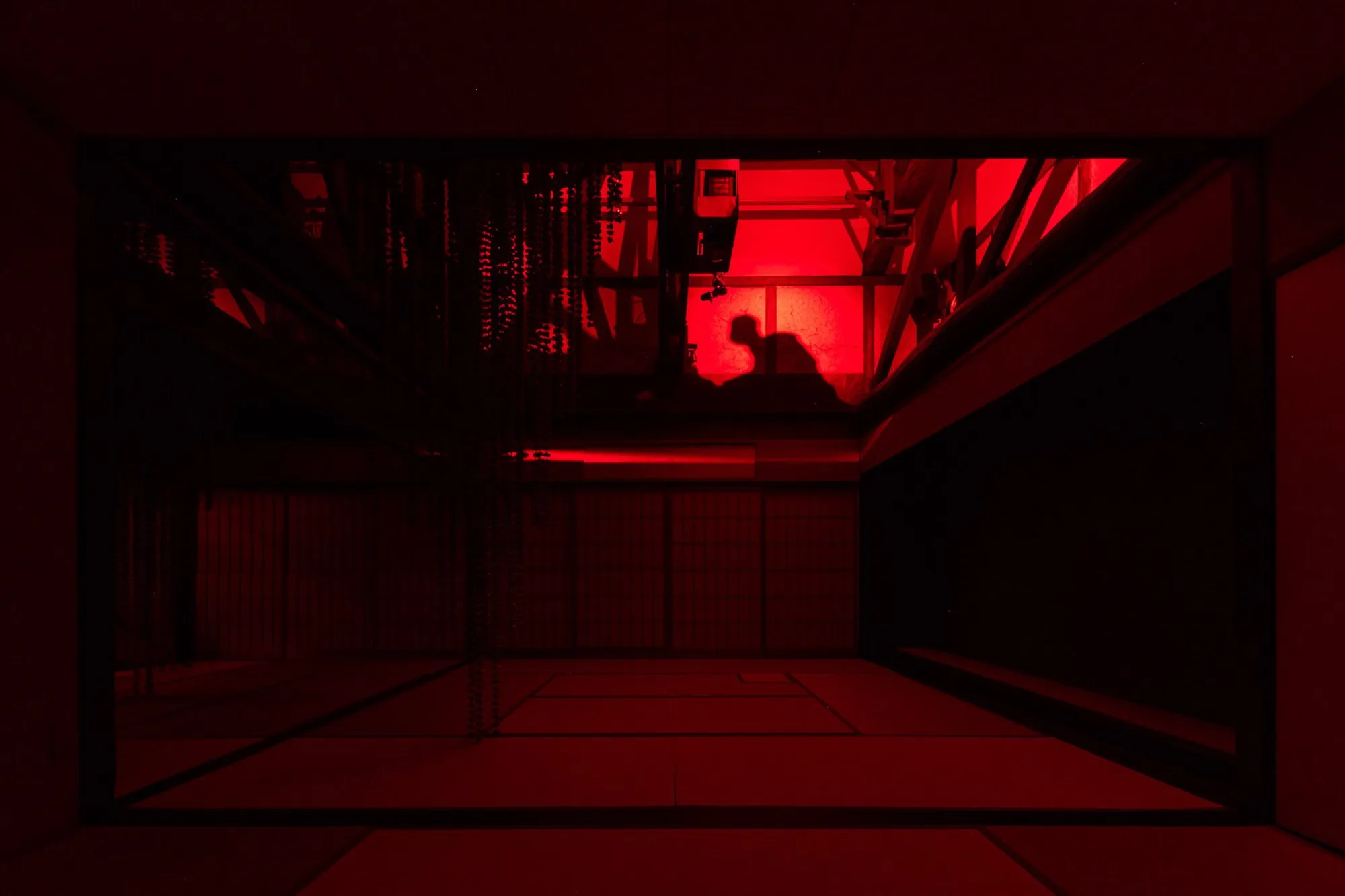
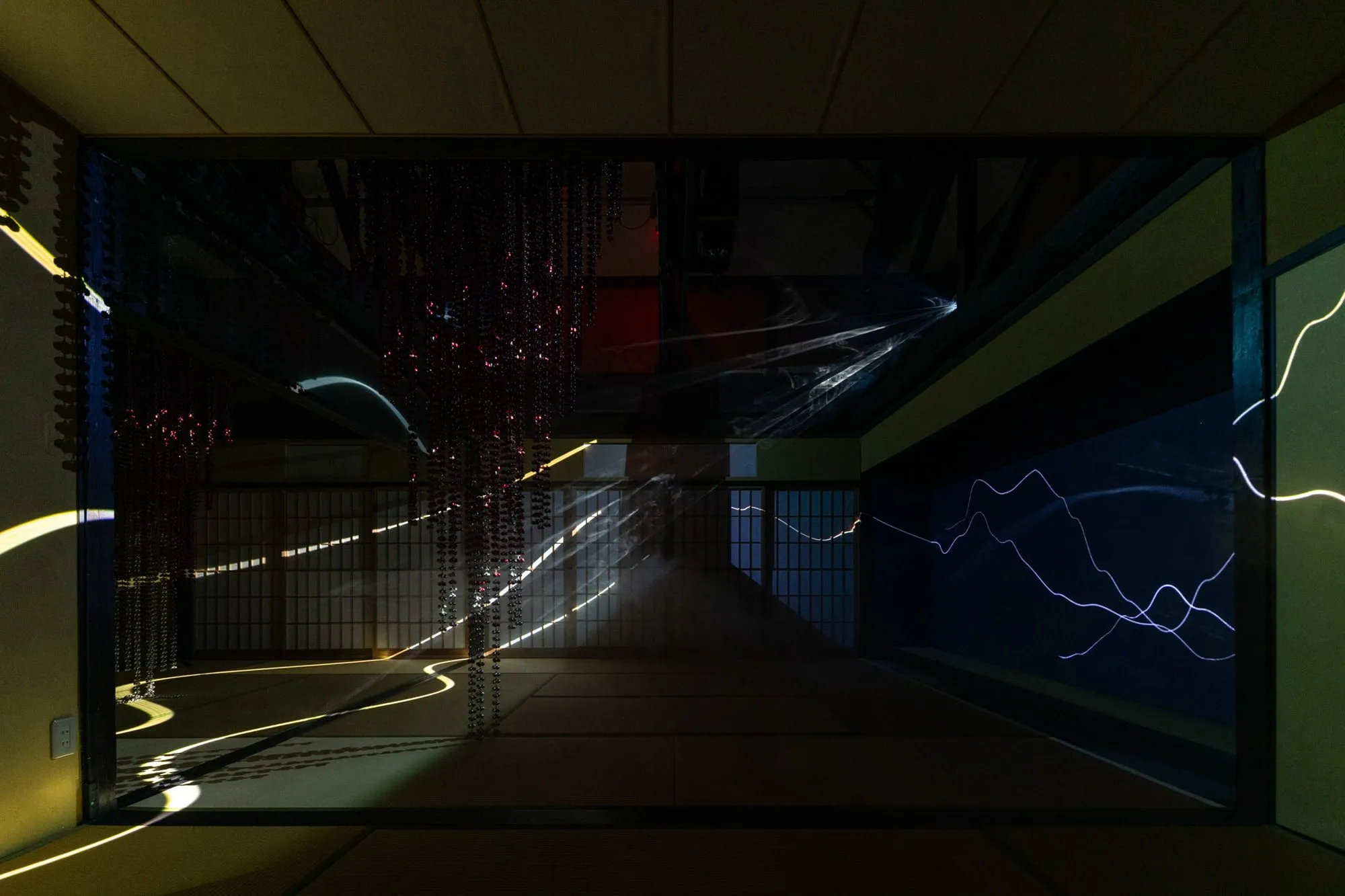
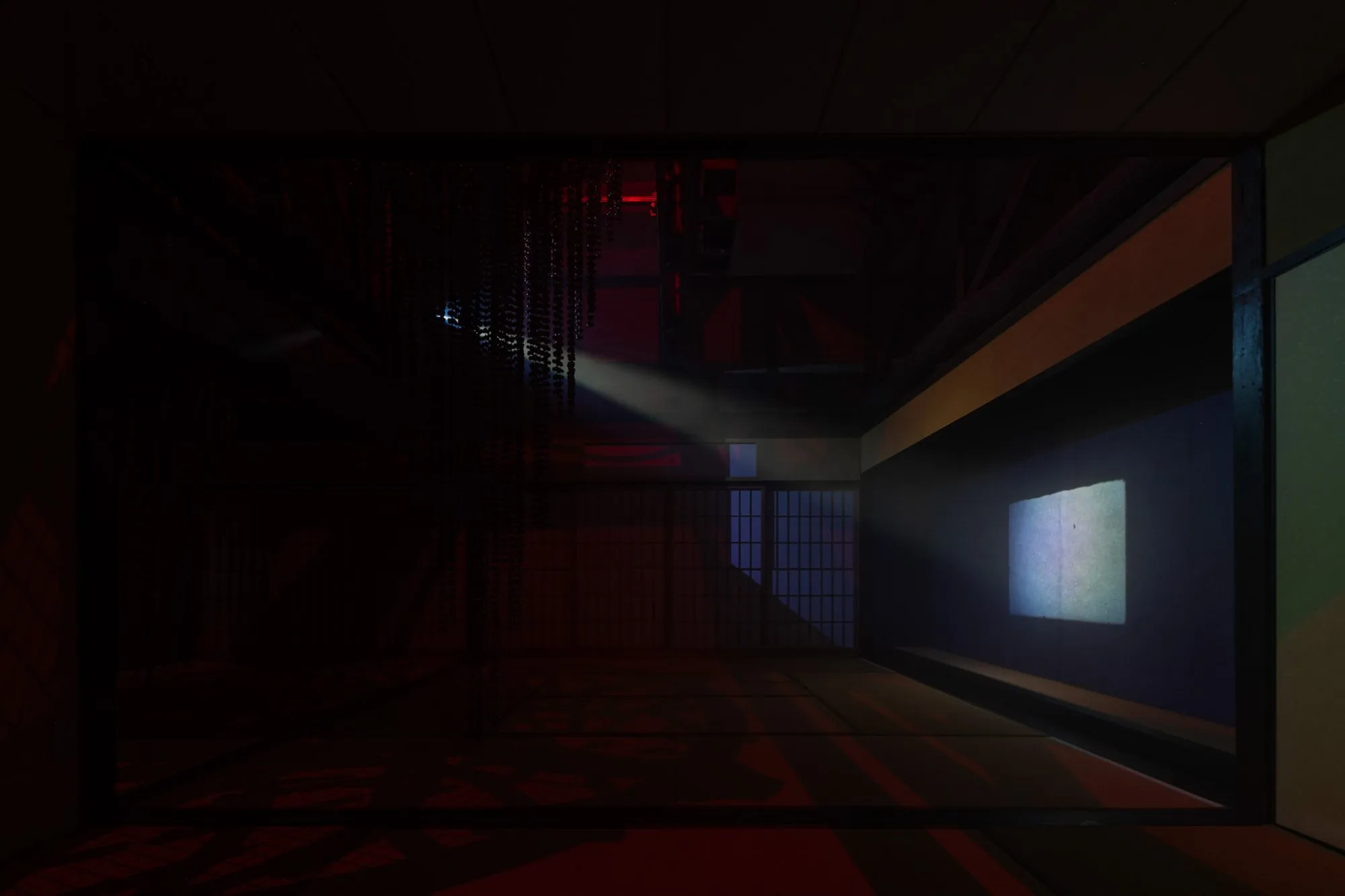
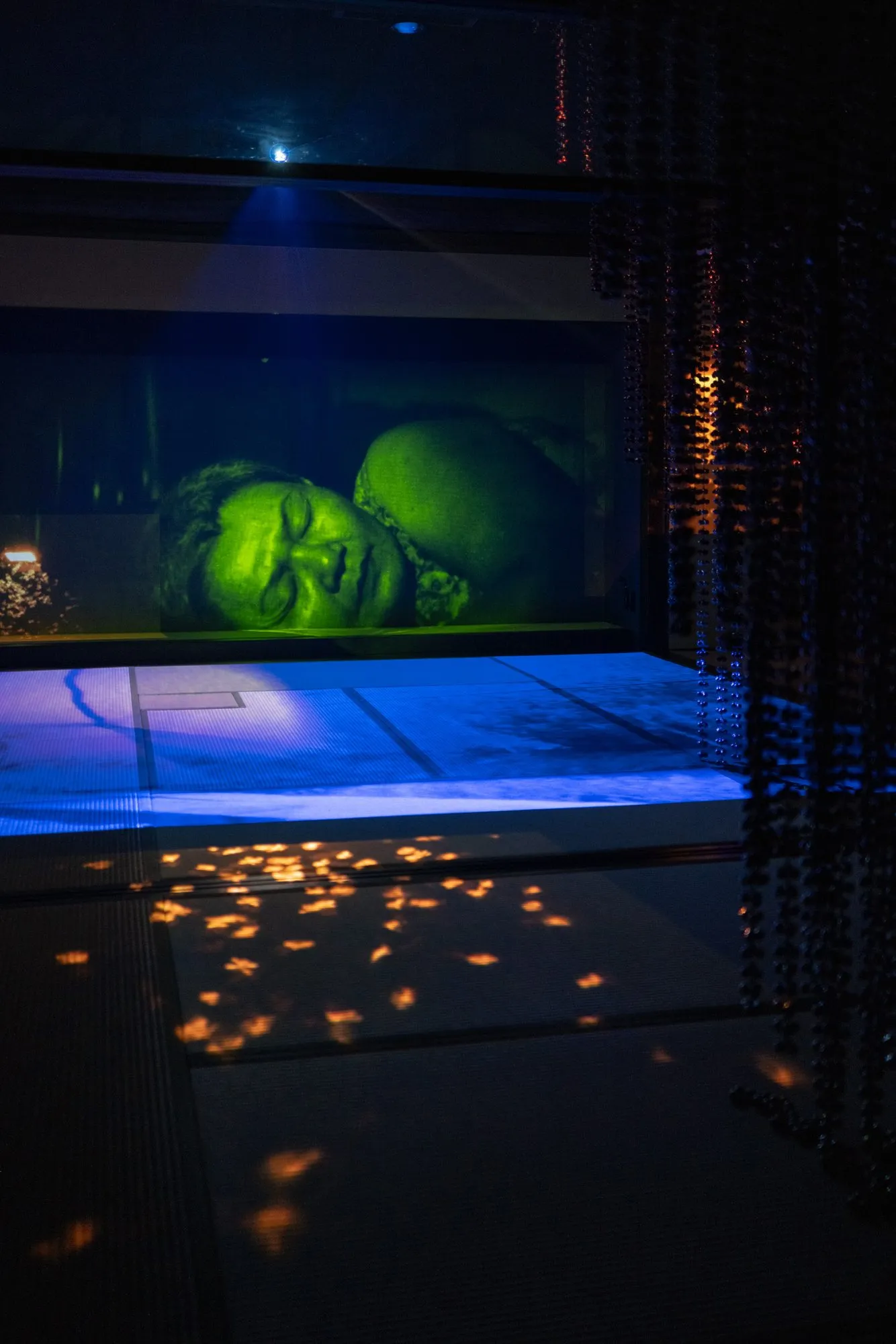
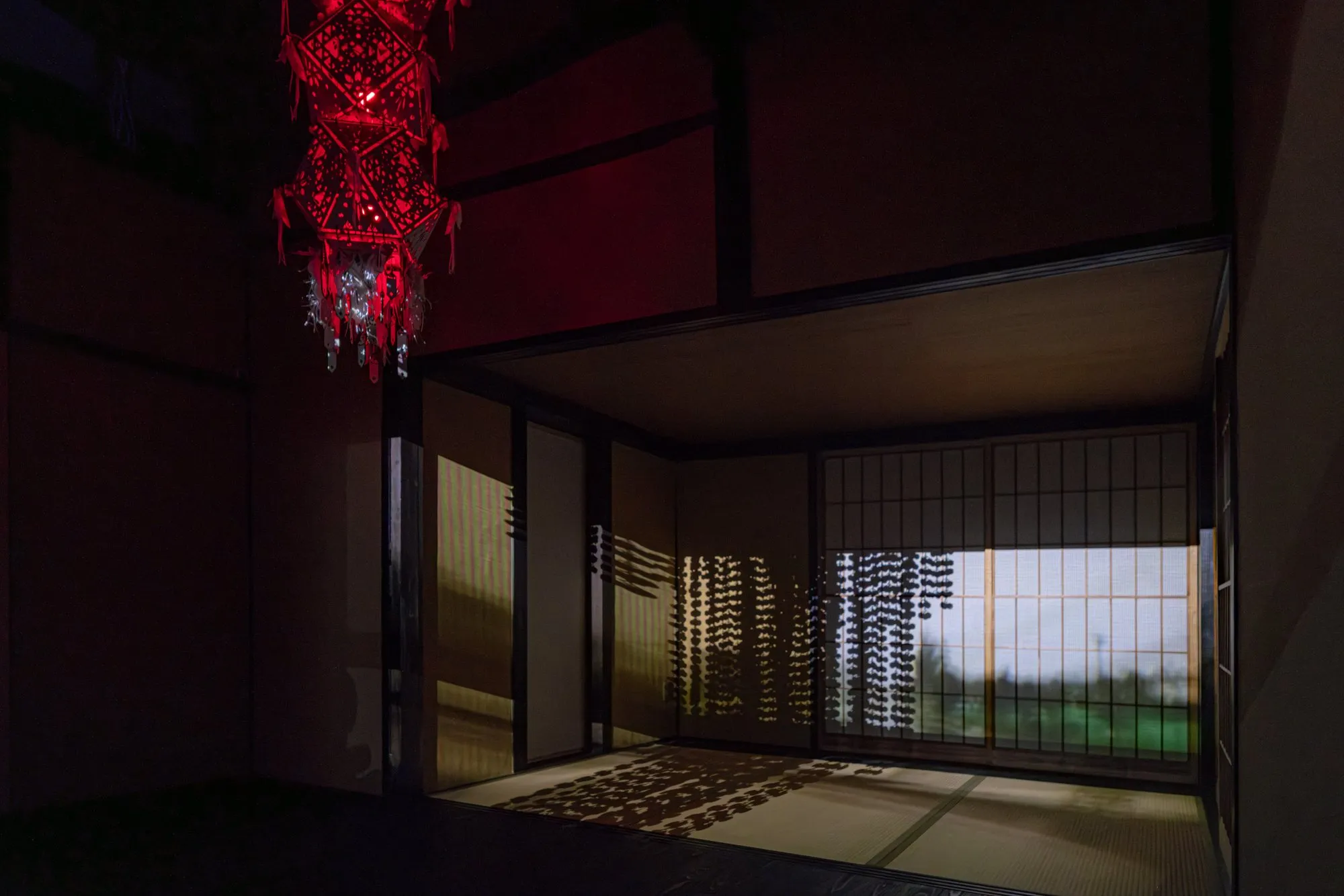
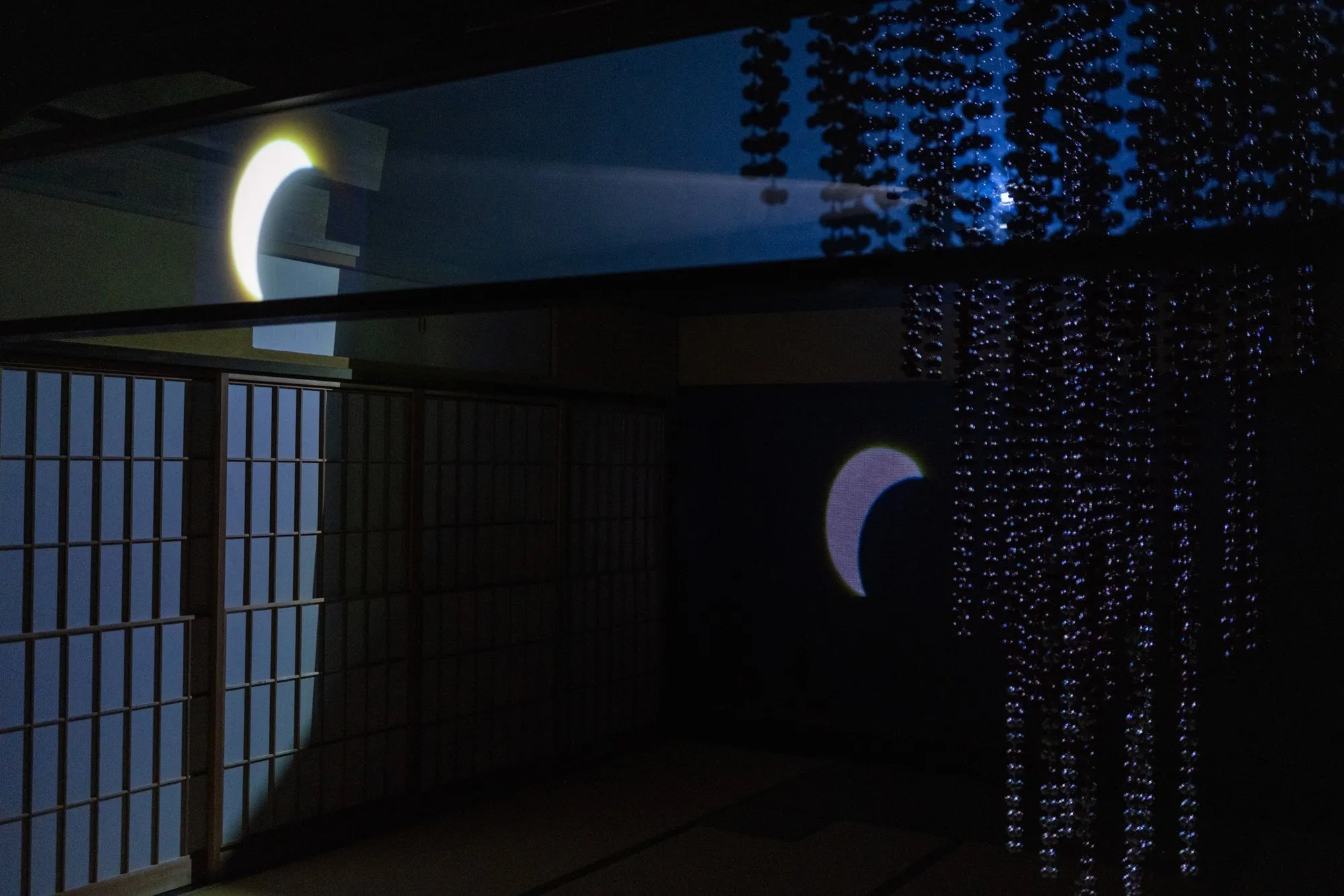
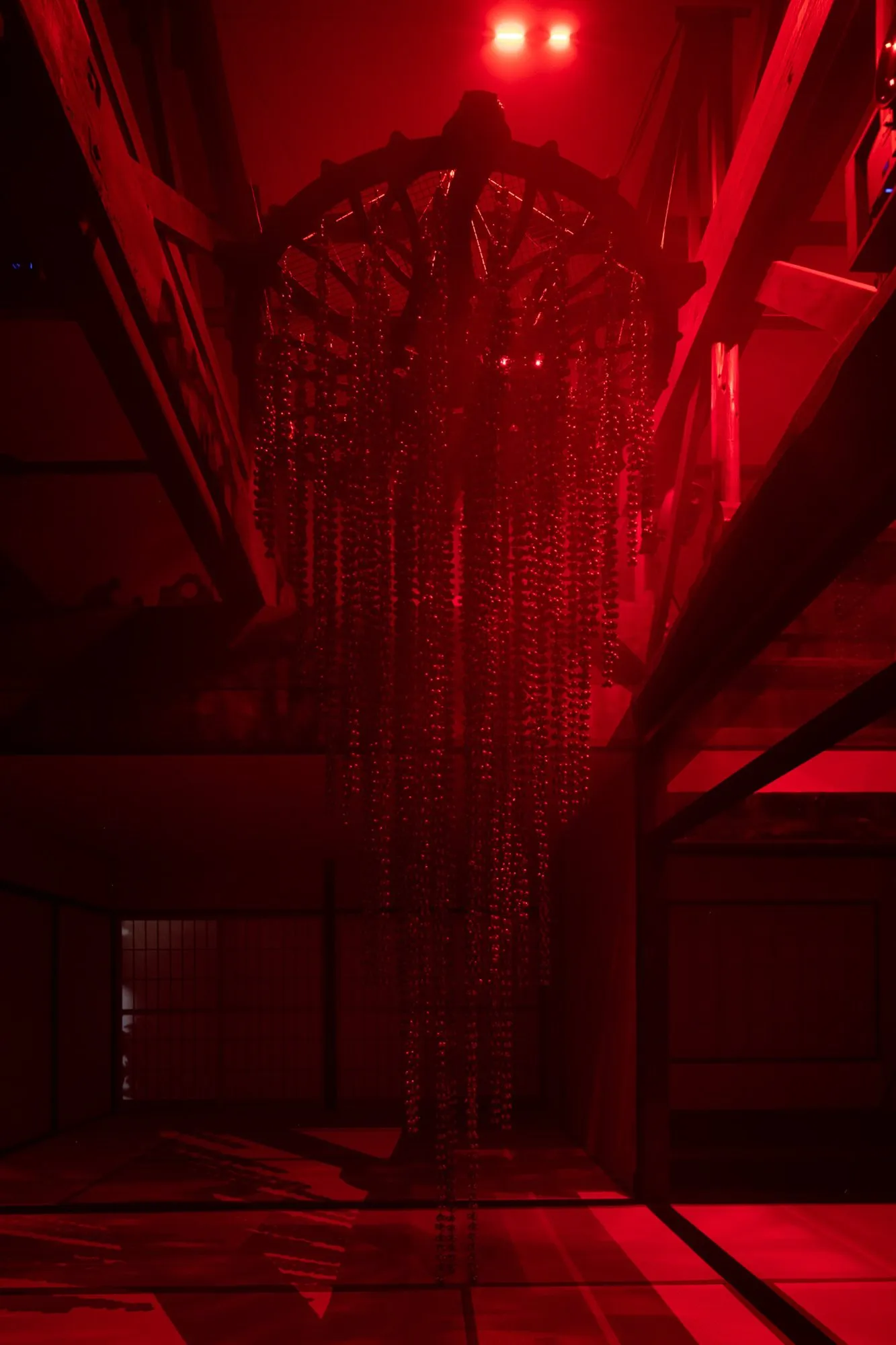
Under the project title Ring of Fire, the entire house is shaped by the works of two artists who developed the idea of time and place together. Inside, the cycle of day and night is articulated by the alternating activation of their works.
Also available
The separately released 2025 soundtrack LP.
- Composition Koichi Shimizu and Akritchalerm Kalayanamitr
- Production Koichi Shimizu, Akritchalerm Kalayanamitr and Apichatpong Weerasethakul
- Artwork Yuen Chee Wai
- Manufacture Benesse Holdings, Inc., Japan
- Format Limited edition of 400; two tracks totalling 34 minutes 10 seconds
Artists’ talk
A conversation between Haegue Yang and Apichatpong Weerasethakul.
Haegue Yang
I think memories are always subjective, selective, and unreliable in relation to the truth. I think what matters is that we co-inhabit the house, Matabe, together. We were talking about the notion of co-existence, co-habitation instead of collaboration. I often feel collaboration as the term is a bit contaminated. Also, it’s important to have retained enough, sufficient space for oneself. So, let’s start with that.
Apichatpong Weerasethakul
I’ve been here for many years visiting different places in Benesse Art Site Naoshima. I’m pleased that we have finally found this house. Another factor is Haegue’s work. My piece is a secret lover who comes at night.
Haegue Yang
Yes, I think there is something going on. We are split in time, but we are sharing the space. It’s togetherness and separation. There is a notion of time and space. Also, the notion of non-humans and human perception. I remember we were talking about the explosive energy, such as eruptions. Therefore, we actually ended up in the phenomena as a main motif of Ring of Fire, which became our title of the artwork.
On explaining the Ring of Fire, it’s the geographic area where the earthquakes and volcanoes are intensified. So geographically, you can imagine that we start from the half open circle, the bottom is open. You start from South America going to North America, going all the way up to the Antarctica, and passing the Asia, and then to Southeast Asia. The ring surrounds the ocean, but circle isn’t closed but open.
I had a déjà vu when Akiko talked about the notion of sea and ocean on explaining the Benesse Prize. What connects Venice, Singapore and Naoshima is sea. I think that the idea of nature is previous in our project. The ring, it’s a geometry, shape and form, but it’s actual places. It goes over the border, man-drawn demarcation. It connects with the vibration what we often perceive as a danger. We were also talking about dangerous beauty that we are very often drawn to. That’s the non-human element.
Apichatpong Weerasethakul
My big impression of the pieces in Benesse Art Site Naoshima is of Christian Boltanski, Les Archives du Cœur. It still stays with me. That was the first trigger to make me think about the significance of death.Death is part of living. It’s not the ending. It’s part of our existence, the heartbeats. I’d want to talk about the house’s heartbeat, the water’s heartbeat, and our collective heartbeat. The cooperation with Haegue then progressed gradually. So we chose to focus on the earth’s heartbeat, the movement of its tectonic plates, or memory.
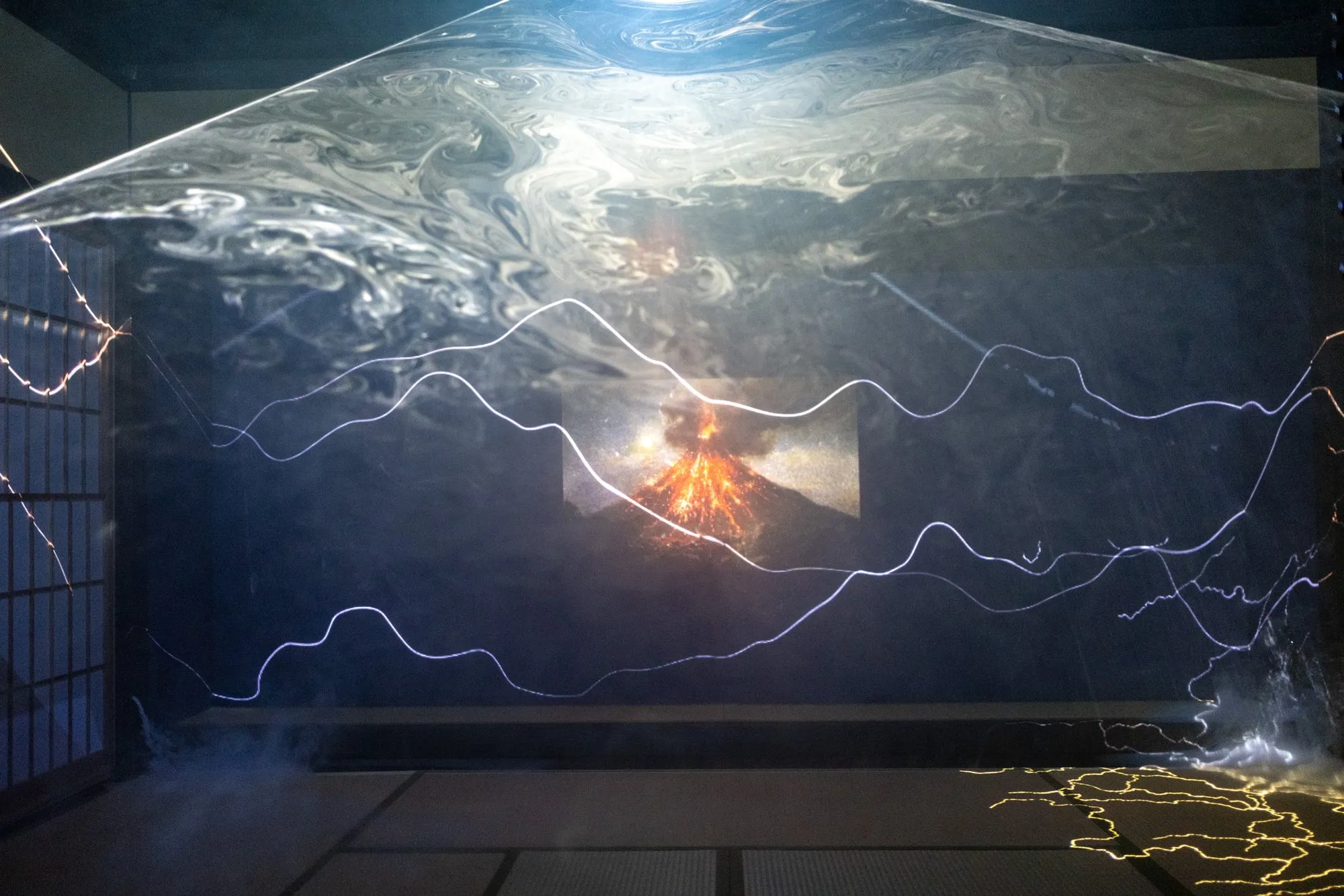
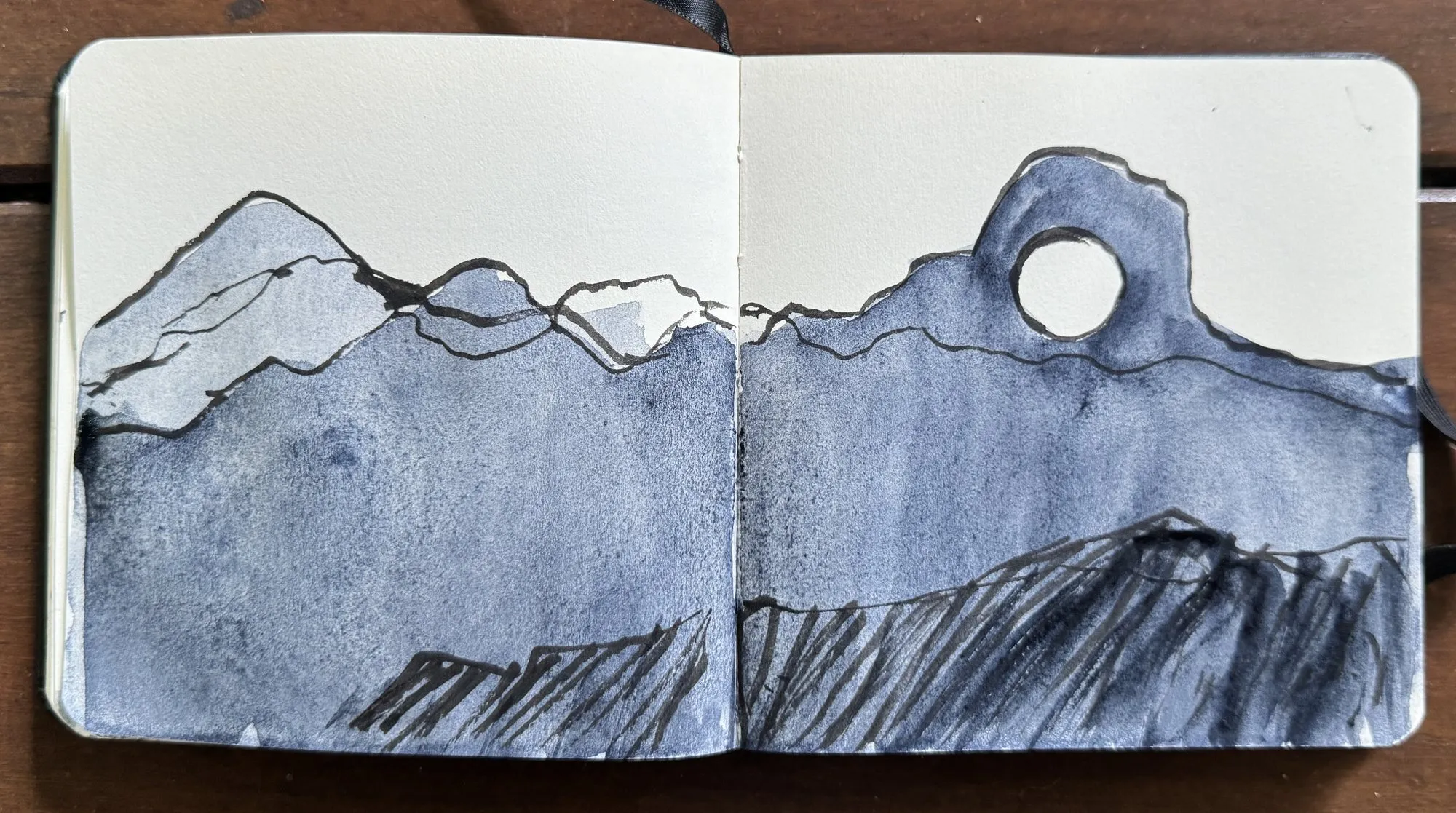
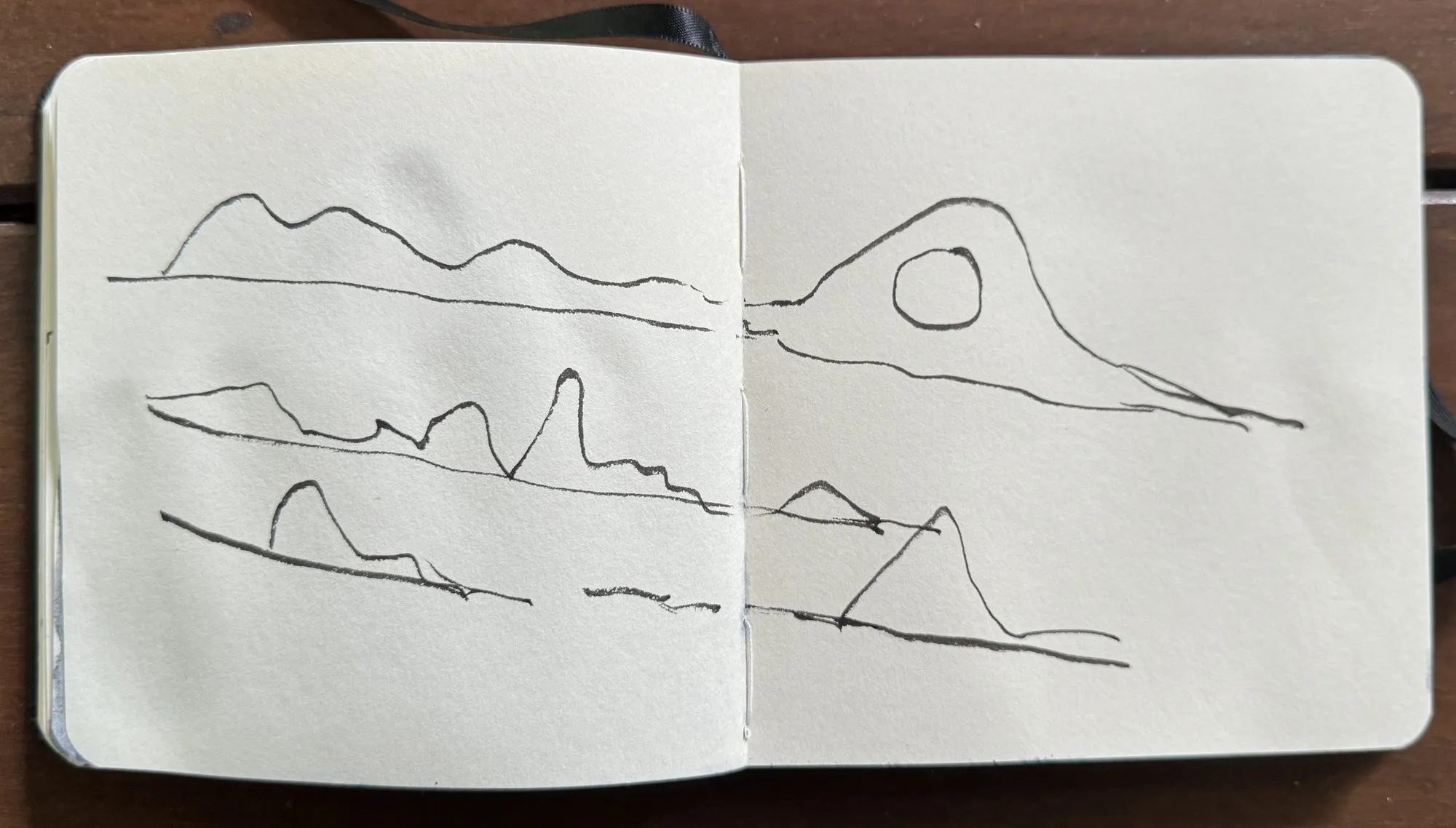
Then, I look at the lines. The line of the mountains, the line of the earth, and the line of our vital sign, and how desire moves things or love. The mountain suddenly rises and ejaculates or explodes, indicating a desire to copulate and discharge something before disappearing momentarily. This type of graph and manifestation of our house become the keys, reflecting on the earth’s desire to move. This leads to Haegue’s concept of coping with the vibration of real-time tectonic action. What you hear—the ringing—indicates that tectonic activity have occurred at varying intensities. The tougher the tectonic activity, the longer and more powerful the sound.
For my piece, I used data from 1900 to 2024, and the beep you hear in 30 minutes represents the actual history of the tectonic data. As a result, the beep represents the recollection of movement in conjunction with an integral communication between the present and past. The show would include four major bang sounds. That’s when the four significant earthquakes occurred. One in Mexico, one in Chile, then the Indian Ocean, and the most recent, the one with the line, is the Japanese earthquake.
I also chose to incorporate a painting of a volcano by Indonesian artist Raden Saleh, which I saw at Singapore National Gallery. He created two small paintings depicting a volcano erupting both during the day and at night. They were painted in 1865, approximately 160 years ago. I believe another artist was intently examining the earth’s movement, line, and light in the same manner as we are now.
Haegue Yang
I realized today that one of my favorite art pieces in Benesse Art Site Naoshima is by Christian Boltanski, La forêt des murmures, which consists of little bells attached on the trees. So, it’s like tiny, miniature forest. So, that marks the commonness that it was two different artworks neighbored by the one artist.
In fact, the tectonic movements became trigger for our work. It keeps a rhythm. We are two different entities, but we are under the same energy. This energy and the input are separate, even if the concept is the same. One is historical which presents an idea of chronology. The second is a real-time data which is not predictable. That’s the notion of the presence. The presence that we can’t predict, but we had to predict because it’s beautiful, but it’s dangerous, too. So, as a mankind, we’ve been constantly dealing with it. We want to take it under our control, but we actually cannot. We learn from the history, and the historical data taught us. We made a lot of progress, but we are still exposed to the uncertainty and contingences that comes hand in hand. That’s the circumstance we brought into Matabe.
Apichatpong Weerasethakul
I have to admit that working on this project has been difficult for me since it is challenging to coexist with someone powerful. Haegue told me the story of the bear lady and her lover. They lived in the cave but never met. She is in love with a tiger, but she is unaware of its existence. However, the tiger’s presence at night in the dark cave influences her perception of reality. I also incorporated Haegue’s voice in the piece when she discussed this bear lady and her tiger. Her final word in the film is “freedom.” I believe that is our secret code to cohabit.
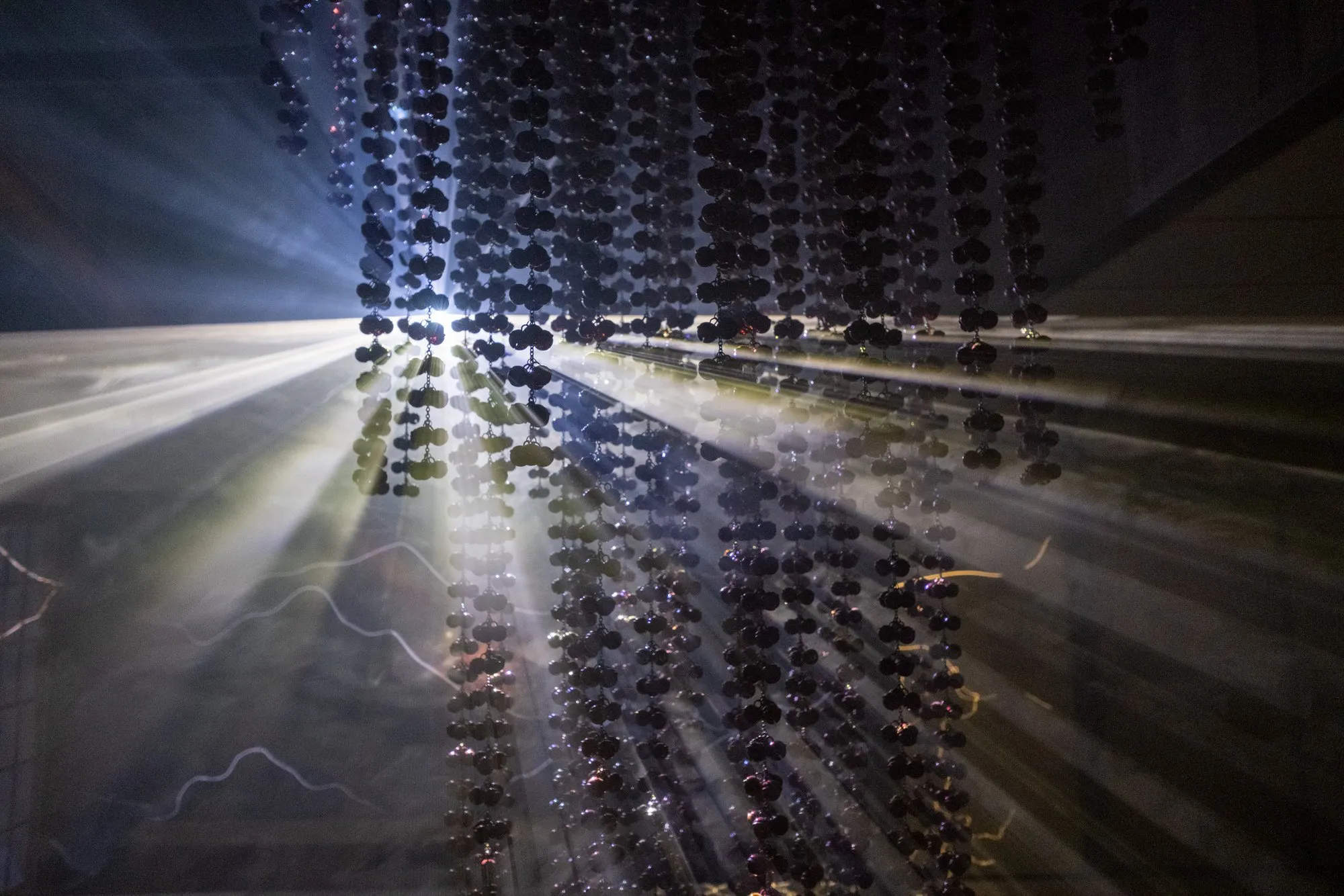
The presence of her work contributes greatly to my piece. For the few days leading up to my arrival, I had been modifying the images and incorporating sound recordings from various locations. However, the true development occurred as a result of the interplay between these bells. You’ve seen the inverted volcanic shape, and then light arrives like a dream; after a while, the light fades and the room returns to normal, “emptiness.”. This was my impression of working with Haegue.