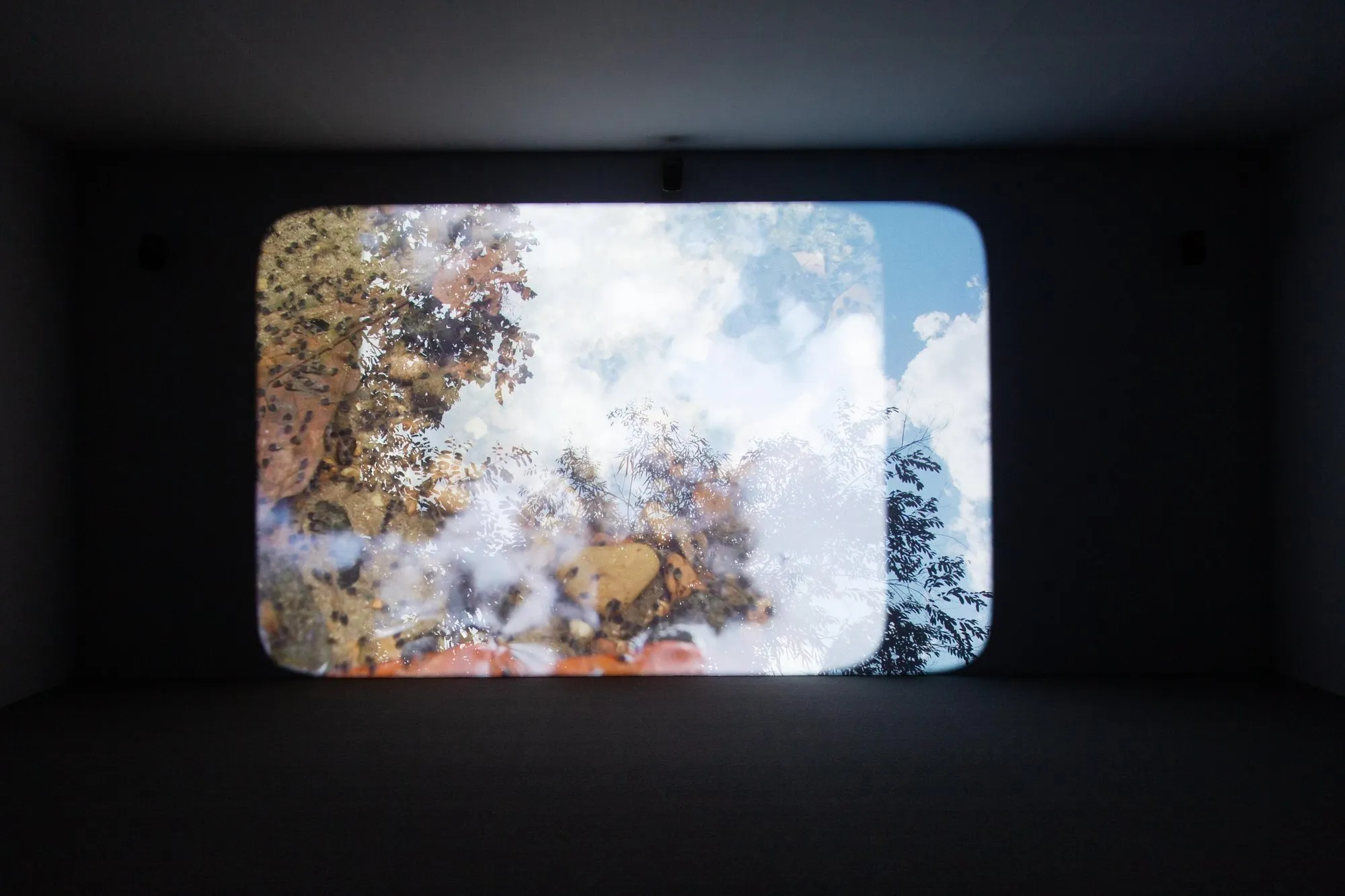
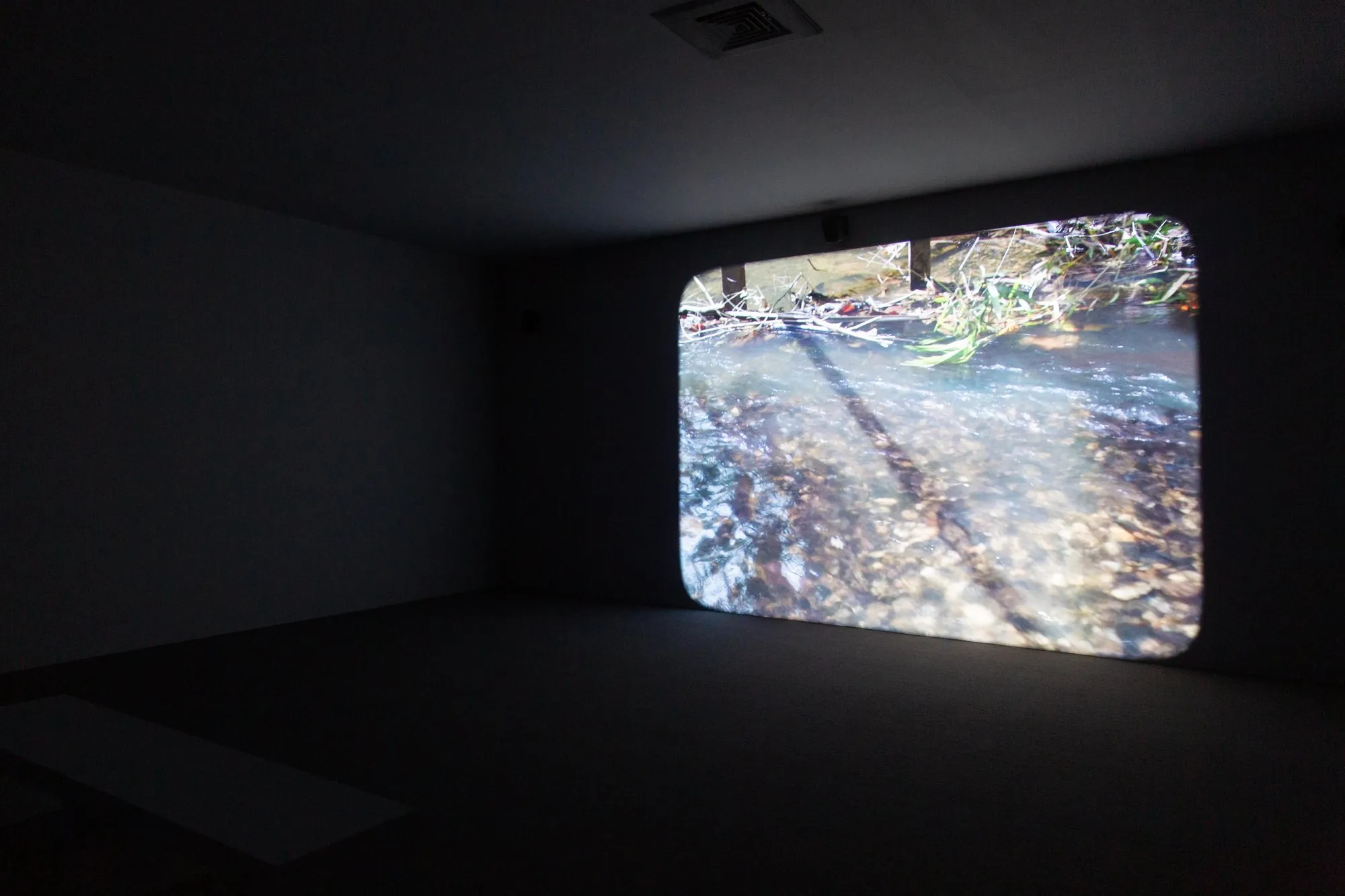
For Bruce
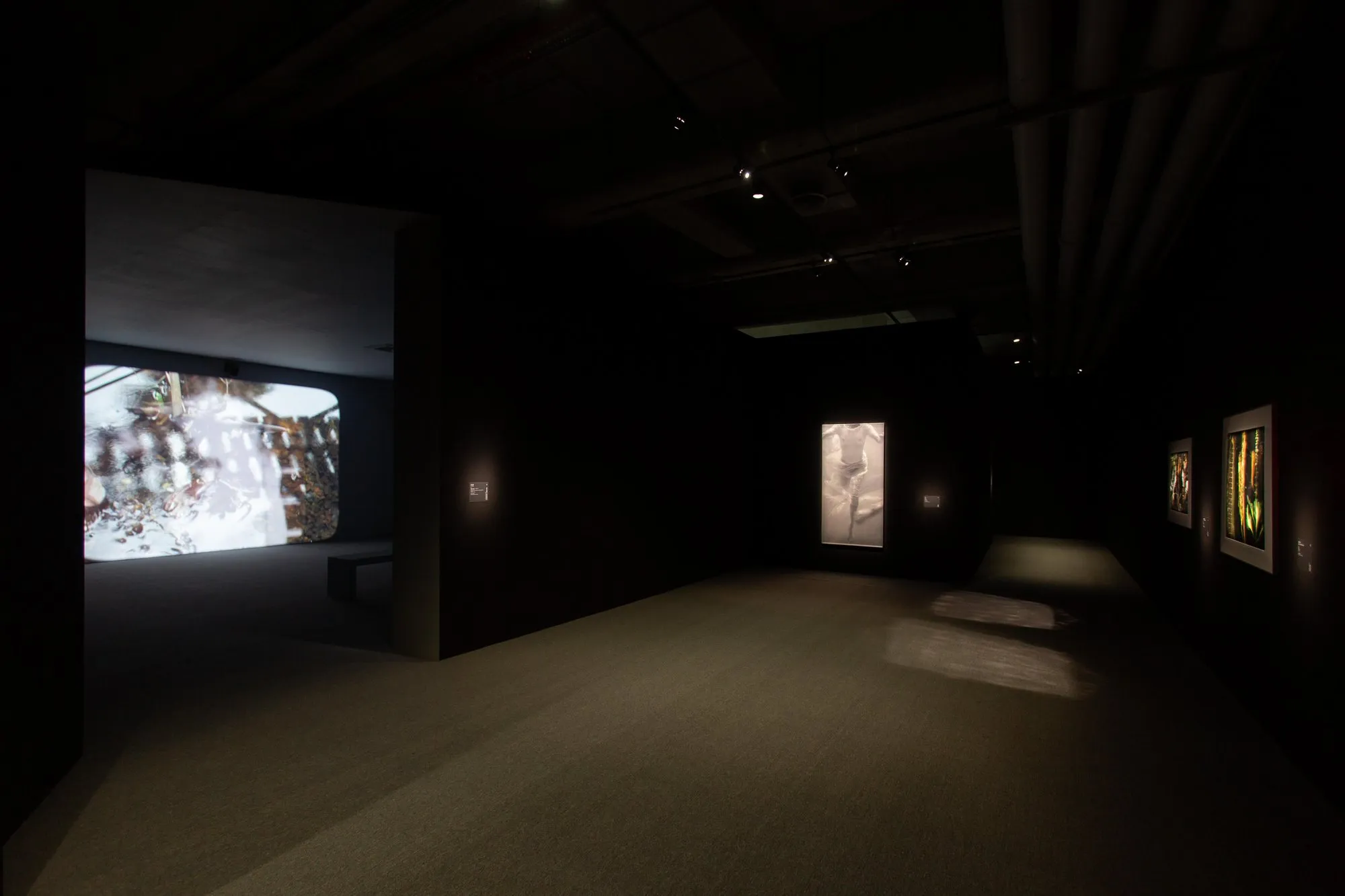
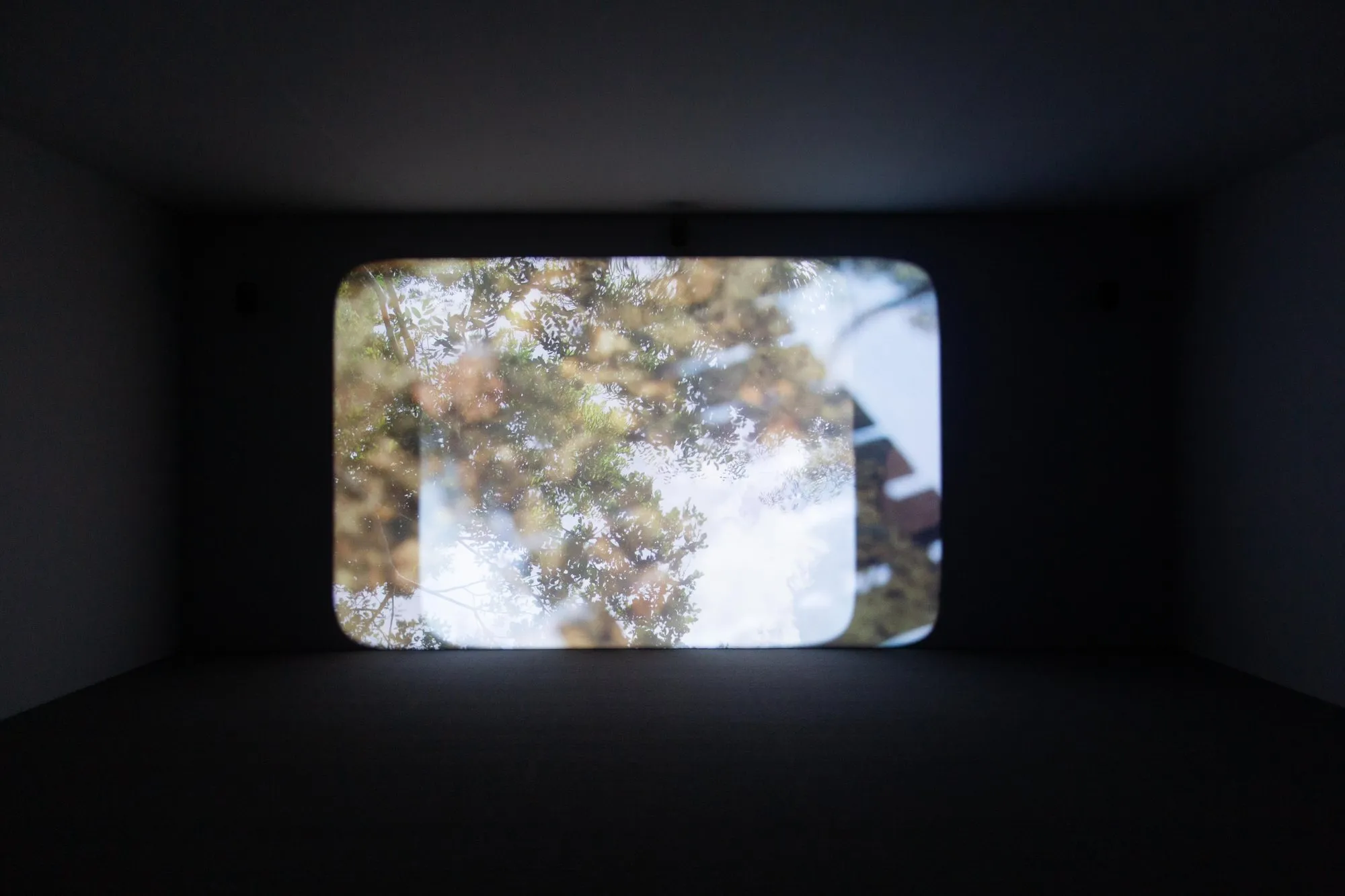
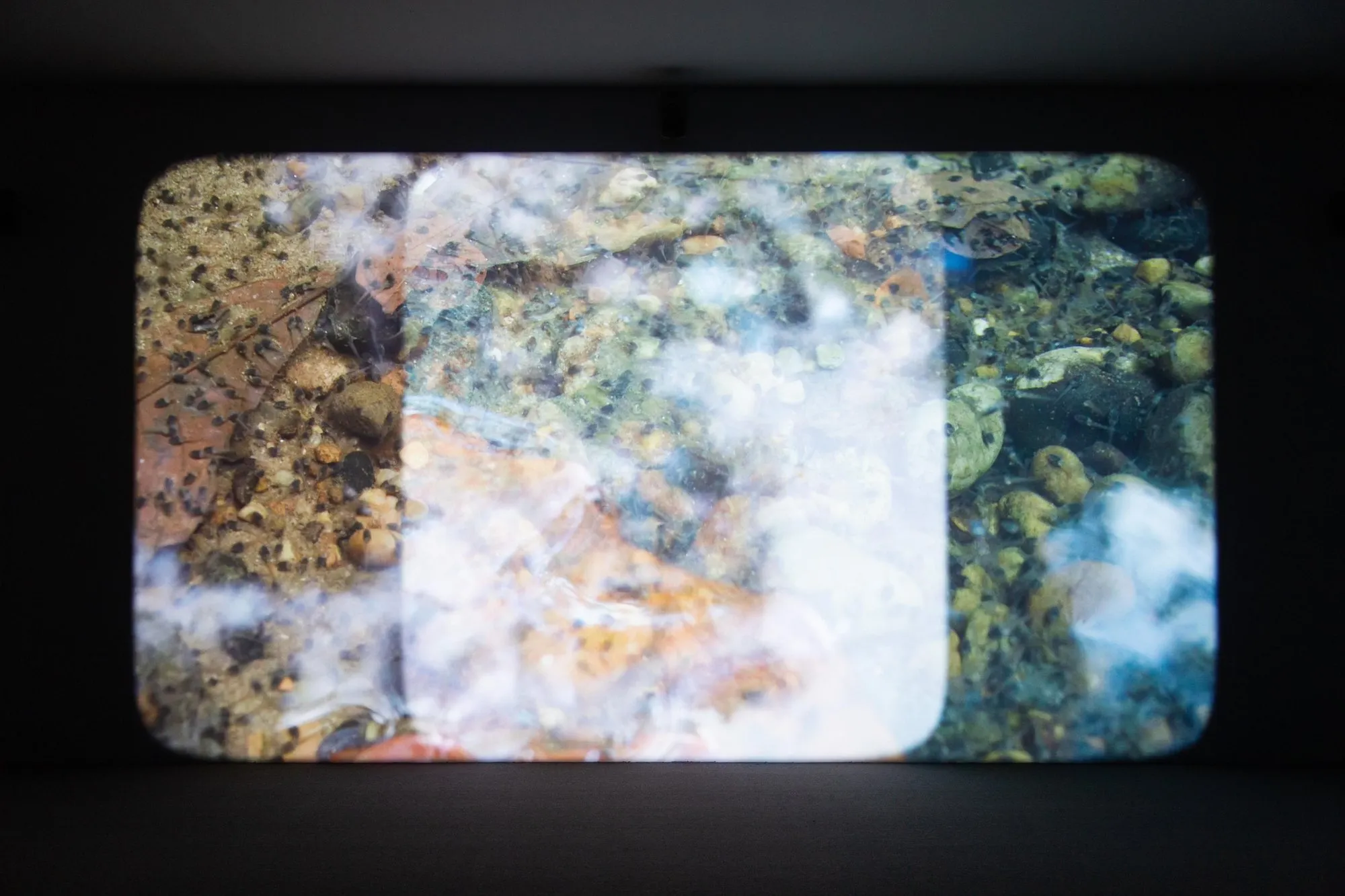
- Technique Double-channel video installation, 4K, two synchronized videos
- Sound Stereo
- Colour Colour
- Length 18 min 46 sec
- Year 2022
The double-channel video installation For Bruce is Apichatpong’s tribute to his long-time friend, the experimental filmmaker Bruce Baillie (1931–2020). Apichatpong was introduced to Baillie’s avant-garde filmmaking at the School of the Art Institute of Chicago in the 1990s, and over the years formed a strong emotional and personal bond with him. In the exhibition Apichatpong Weerasethakul: Primitive at the New Museum in 2011, he also presented Baillie’s autobiographical film Quick Billy (1967–70).
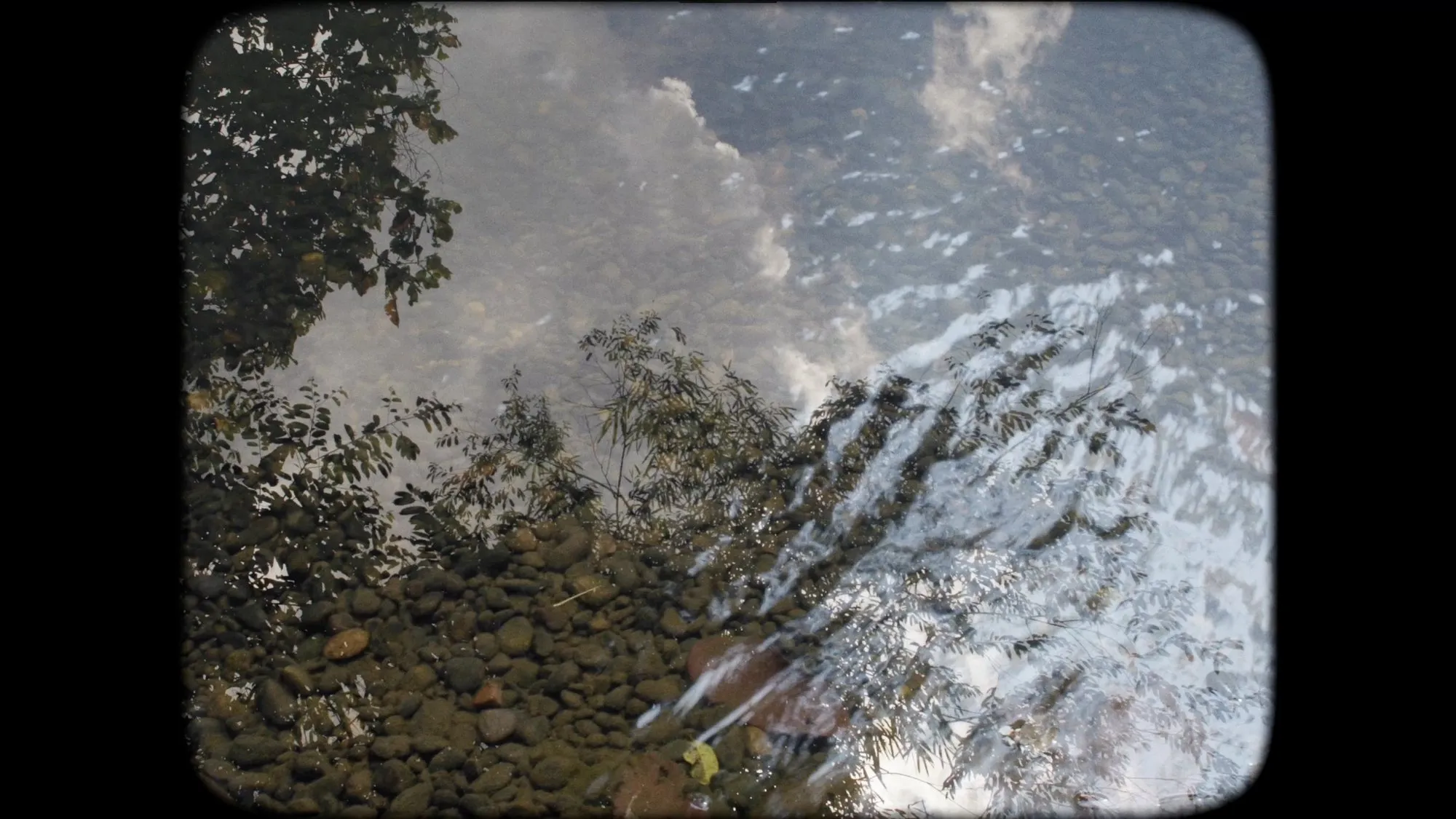
Apichatpong filmed the overlapping videos of For Bruce while trekking in an Amazon jungle in Peru, recovering from COVID. Their subject is peaceful and endless: a wooden bridge in an immensely lively natural environment. One sees a variety of animals and flickering light, and hears the tranquil flow of water beneath the bridge, and the artist’s coughs. Filming a non-place in the jungle, unaffected by memories and unifying beings on a spiritual level, Apichatpong offers the work as a portrait of Baillie, an artist who embraced film in a primitive way, as alchemy.
For Bruce is also linked to another new video installation, Seeing Circles, in which Apichatpong means to practise a way of looking that entails no time or memory, “but just to look with our conditioning, simply to be, with camera as a medium.”
Letter to Bruce
July 23, 2022
Bruce, I was nearing the end of my journey in Peru, recovering from COVID with a tired chest, as I trekked in an Amazon jungle. The intensity of the colors, fragrances, and movements awoke my senses. The ants, birds, and monkeys were thriving in their own cycles and habitats high in the trees and down in the earth’s passages. It was late in the morning when I came upon a little creek that twisted like a sleepy snake. It winds its way through the deep jungle to an open clearing with a wooden bridge baking in the sun. The light flickered as it passed through the river beneath. I sat in the shade, greeting curious bugs and enjoying the warm air. The simple bridge was silent, as if it was listening in on the entities around it. Bruce, the bridge was you, an observer who cast shadows and connected the spaces. You had a conversation with the sun. I took out my camera and attempted to be a part of the conversation.
Nobody knew when the bridge was built. It has been repaired through the generations. There used to be indigenous communities deep in the jungle that built this bridge as part of a trail to access the major river, the Rio Madre de Dios, which runs across Peru and Bolivia. The trail served as a means of trade, communication, and colonization. This forest near the river bank was formerly a farm, a school, and a hospital as part of the Spanish establishment. Not far from the bridge, there are still buildings, grain silos, a ship propeller, and a wrecked steamboat that inspired Werner Herzog’s Fitzcarraldo.
Despite all of the stories surrounding the site, I noticed that the bridge elicits no memories. It has no beginning and no end; it unifies. One crosses it in order to get somewhere, but the structure itself has no destination. As a stranger, I had no place to call home on either side; the forest and the port held no meaning for me. A sense of oneness drew me to this bridge and to you, the filmmaker whose approach is centered on presence.
During the wet season, the bridge is buried underwater. It sways and dances alongside the fish. After a few months, it elevates itself to the sun, trees, and birds. It vibrates and scatters light in every direction. I filmed in this non-place and felt like I had vanished inside you. I wanted to offer this portrait of you as a gift, as a nod to your non-seeking spirit and as a thank you for seeing.